
AI-POWERED KNOWLEDGE & FAILURE ANALYSIS SYSTEM
Mooselab Team
Technology & Product

Critical technical knowledge was distributed across documents, reports, and individual team members, making relevant information difficult to locate when operational issues occurred.
Failure investigations also required teams to manually review historical cases and technical references. Without a centralized and structured process, analysis could become inconsistent, time-consuming, and highly dependent on individual experience.
Mooselab developed a centralized knowledge management platform combined with an AI-assisted failure analysis system.
The platform organizes technical documents, standard operating procedures, specifications, maintenance guides, and historical failure records within a searchable knowledge base. Its AI capabilities help teams retrieve relevant information, compare previous cases, and generate potential cause recommendations during an investigation.
Structured analysis methods—including cause identification and 5 Whys analysis—guide teams through a more consistent and traceable problem-solving process.
Centralized technical knowledge repository
Document and category management
Intelligent document search
Historical failure case management
AI-powered knowledge assistant
AI-assisted potential cause identification
Structured 6M cause analysis
5 Whys root-cause analysis workflow
Reference and supporting-document recommendations
User roles and access management
Task, reporting, and analytics modules
Responsive web platform
Frontend, backend, and AI integration
The platform transforms scattered technical information into an accessible and continuously reusable organizational knowledge base.
Teams can identify relevant references, review historical cases, and conduct failure investigations through a more structured workflow. AI-assisted insights accelerate the initial analysis process, while human verification remains part of the final decision-making process.
The system also helps preserve institutional knowledge, improve consistency across investigations, and provide a stronger foundation for continuous operational improvement.
Development
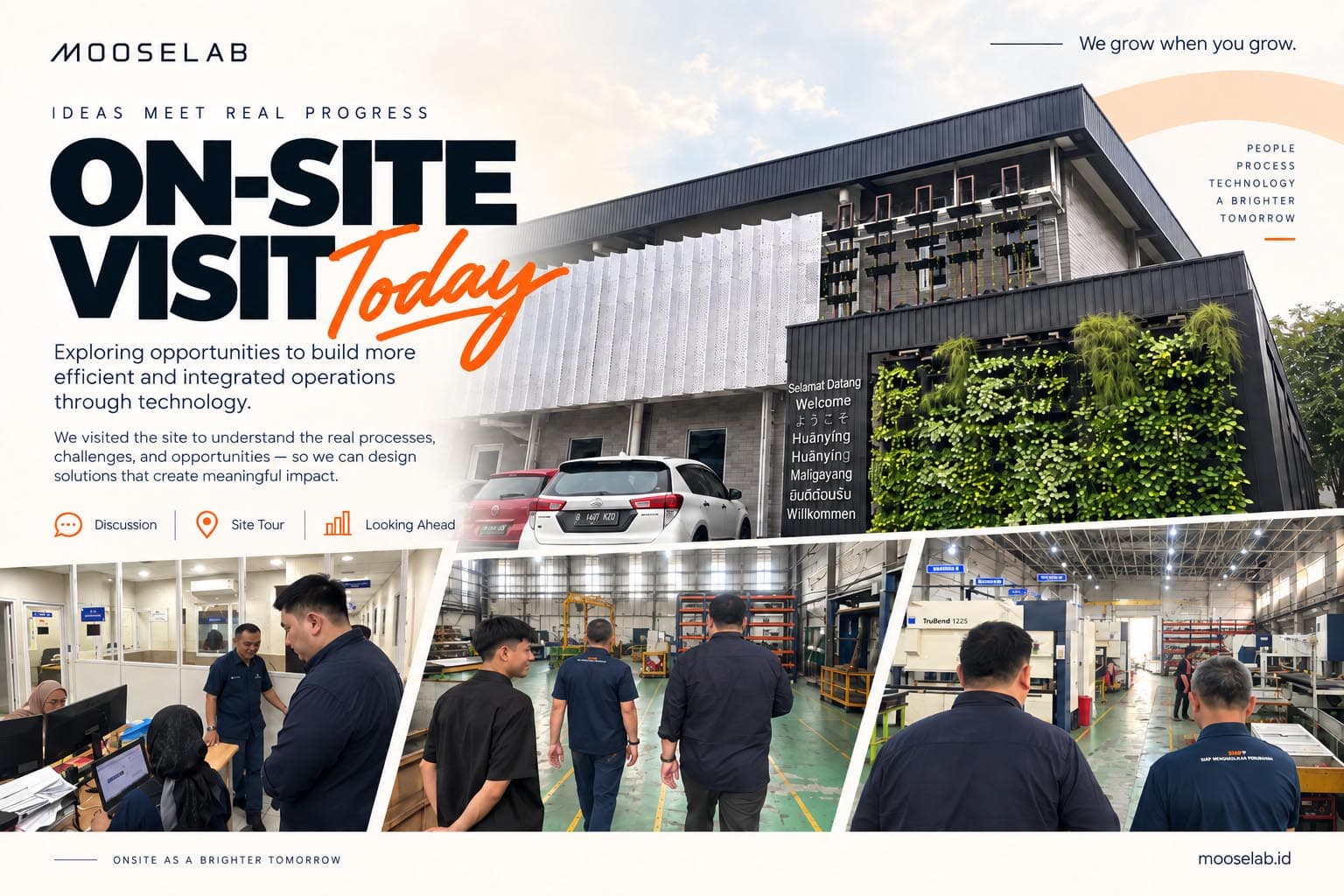
Kami percaya solusi digital yang tepat dimulai dari memahami proses bisnis, tantangan operasional, dan kebutuhan nyata di lapangan.

Technology
Bagaimana teknologi yang tepat membantu bisnis bekerja lebih efisien, terintegrasi, dan siap berkembang.

Technology
EMPLOYEE FINANCIAL WELLNESS PLATFORM